H — Pardon jury composition
Appendice H
PARDON JURY COMPOSITION
Reference: Chapter XXVIII (The Head of State: Symbol and Conciliator)
H.1 — The Principle
The Head of State can propose pardon for a convicted person. It is a safety valve when justice is too slow to correct itself. But they do not decide alone. A jury examines the file and rules.
H.2 — Jury Composition
Voting members drawn by lot (3/4 of total weight):
- 20 citizens drawn by lot
- 5 jurists drawn by lot
Voting participants (1/4 of total weight, divided among them):
- Judges and jurors from the original trial — they explain why they convicted
- The Head of State (or their representative) — they explain why they propose pardon
Observers (non-voting):
- 4 or 8 Constitutional Council members (representing the four bodies) ensure proper conduct of proceedings
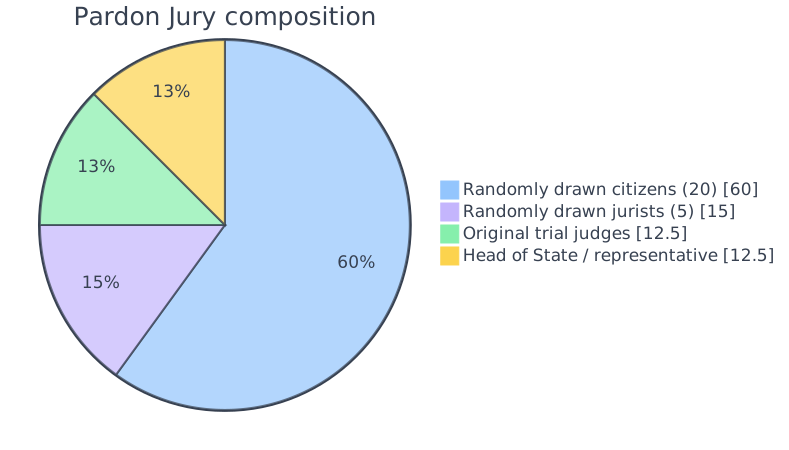 Figure H.1 — Pardon jury composition
H.3 — Jury Size
Between 25 and 35 people depending on the original trial (variable number of judges and jurors). This size allows real debate without becoming unmanageable.
H.4 — Procedural Safeguards
- Private deliberations: no real-time media pressure
- Anonymous jurors: before, during, and after — protection against threats
- Secret ballot: freedom of conscience
These protections are essential in political or mafia cases where the convicted person or their associates might seek retaliation.
H.5 — Why This Weighting?
The people dominate (3/4): Ordinary citizens decide, not justice professionals.
Participants participate (1/4): They vote, so they fully participate in debates instead of testifying then disappearing. But their limited weight neutralizes conflicts of interest:
- Judges defending themselves
- The Head of State defending their proposal
H.6 — Effects of Pardon
If granted: The person is released or their sentence is annulled.
What pardon does not do: It does not erase the judgment—it suspends the sentence. Complete rehabilitation (record expungement, recognition of innocence) goes through trial revision.
H.7 — Emergency Procedure
If justice recognizes flagrant new evidence (DNA, key witness, real perpetrator’s confession), it can immediately suspend the sentence pending revision, without waiting for the pardon jury.
The judicial path and pardon path coexist—the faster one applies.
 Figure H.2 — Pardon procedure
Return to chapter XXVIII